English English
 Views: 0 Author: Site Editor Publish Time: 2025-07-21 Origin: Site
In the pharmaceutical world, empty capsules are a fundamental and versatile excipient, acting as a protective shell that provides an ideal delivery vehicle for active ingredients. But what exactly are these essential carriers made from?
The Traditional Standard: Gelatin Capsules
Traditionally, the primary material for empty capsules has been gelatin. Derived from the collagen found in animal connective tissues, such as bones and skin, gelatin is prized for its excellent film-forming ability, solubility, and biocompatibility. The manufacturing process involves dissolving gelatin in water to create a uniform solution, which is then molded into the familiar capsule shape. After a series of drying and finishing steps, the final product is ready. Gelatin capsules are designed to dissolve quickly in the body, releasing their contents efficiently. They are tasteless and generally do not interact adversely with the medication. However, as health awareness grows and concerns regarding animal-derived products increase, gelatin capsules face certain limitations in the market.
The Modern Alternative: Vegetable (HPMC) Capsules
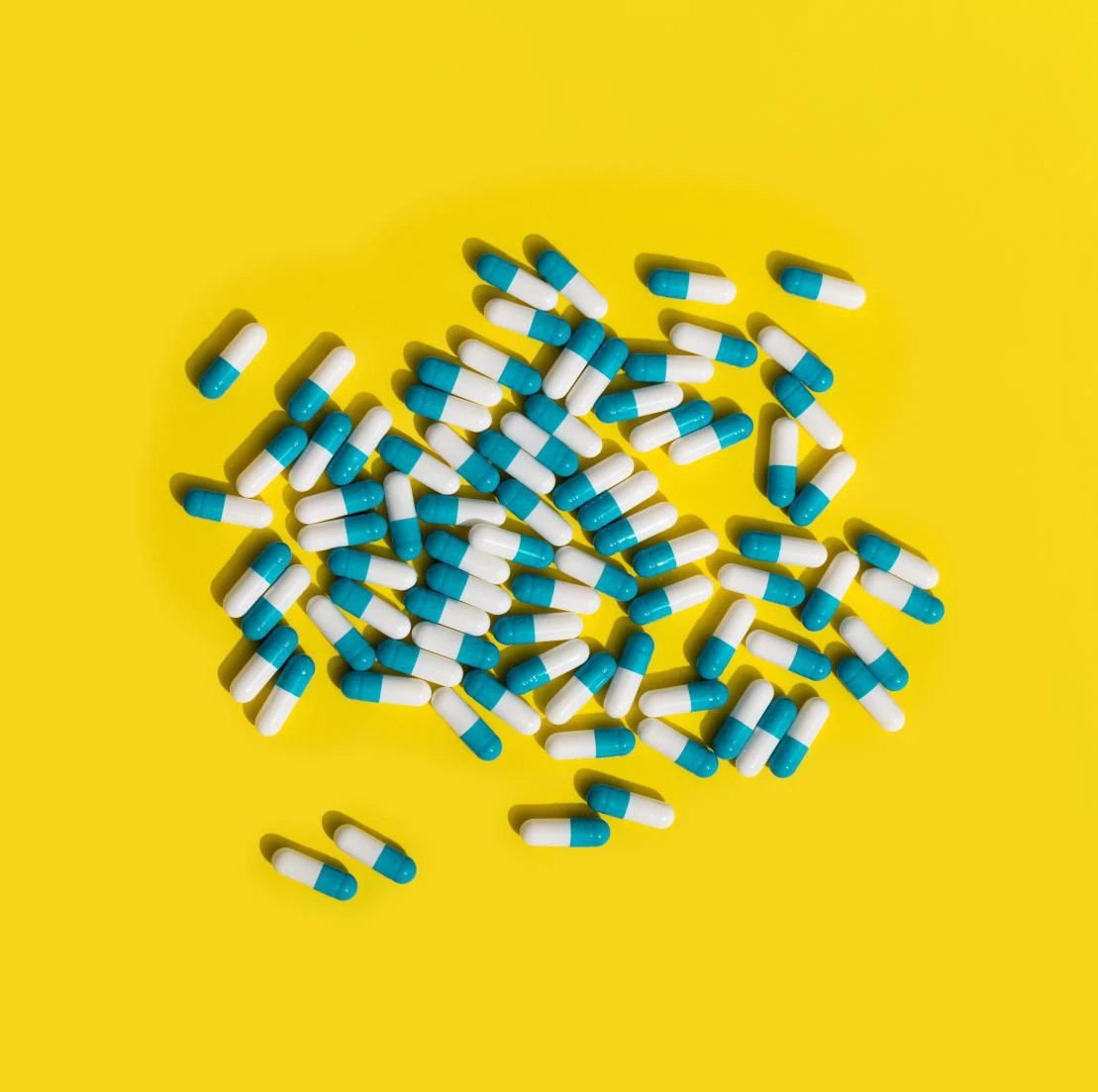
To cater to diverse dietary and ethical needs, a new generation of capsules has emerged. Vegetable capsules, primarily made from Hydroxypropyl Methylcellulose (HPMC), stand as a leading alternative. HPMC is a natural polymer derived from plant cellulose, offering excellent stability and a strong safety profile. While their production process is similar to that of gelatin capsules, HPMC capsules offer distinct advantages. They are free from any animal-derived ingredients, making them suitable for vegetarians, individuals with specific religious beliefs, and those with animal allergies. They also often have a more neutral taste and consistent dissolution properties.
Specialized Solutions: Enteric-Coated Capsules
Beyond the basic types, specialized capsules like enteric-coated capsules are designed for targeted drug delivery. Their preparation is more complex, involving the application of a special polymer coating—such as cellulose acetate phthalate—to the capsule shell. This coating is engineered to remain intact in the acidic environment of the stomach but to dissolve in the alkaline environment of the intestine. This ingenious mechanism protects the drug from being degraded by stomach acid and ensures it is released in the intestine, where it can be most effectively absorbed and exert its therapeutic action.
Conclusion: A Future of Continuous Innovation
The evolution of capsule materials—from traditional gelatin to plant-based HPMC and specialized enteric coatings—demonstrates a continuous cycle of innovation. This progress not only addresses the needs of diverse consumer groups but also unlocks new possibilities for drug research and application. Looking ahead, as technology continues to advance, we can expect further refinements in capsule materials and manufacturing processes, contributing even more significantly to the advancement of human health.